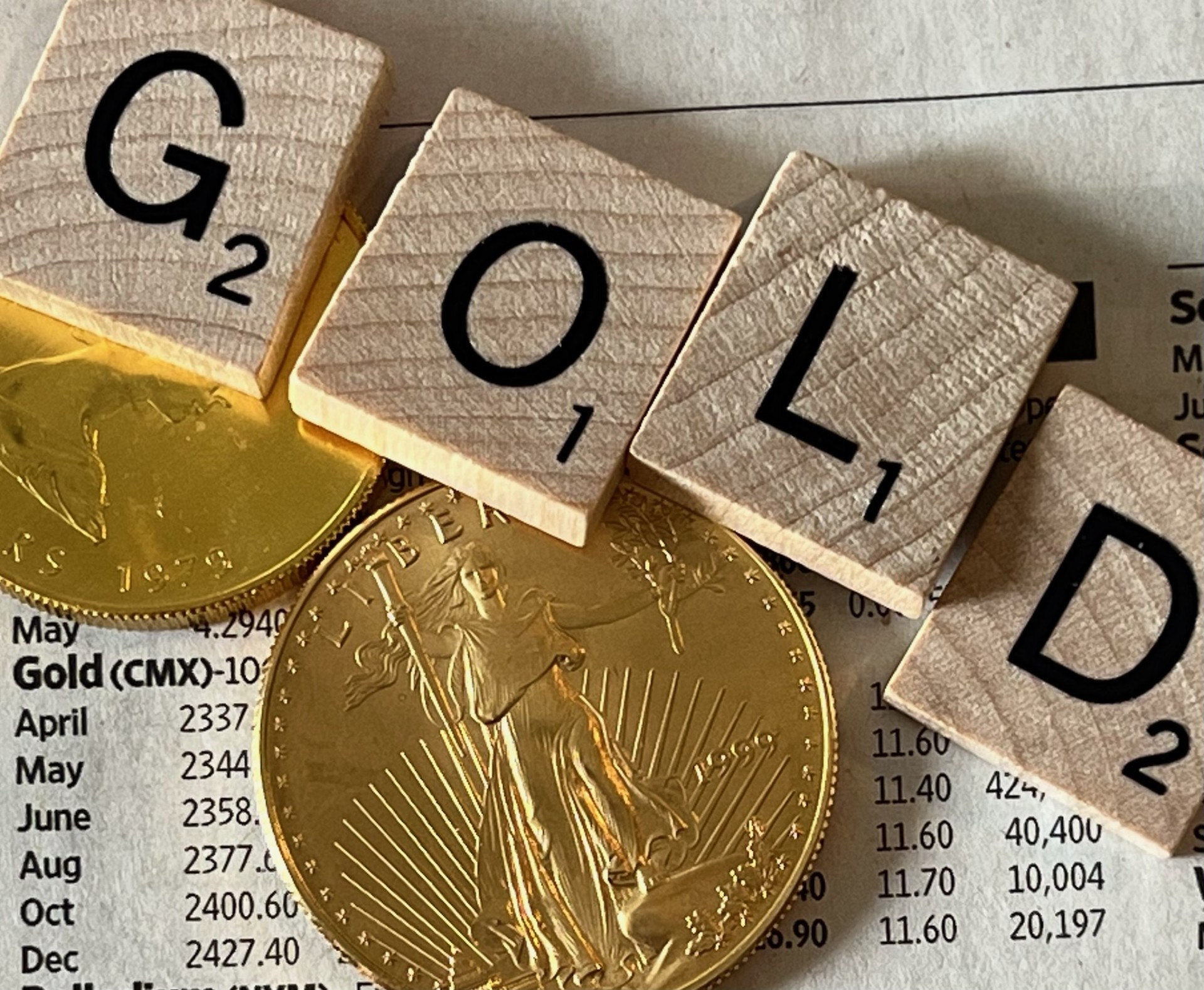
Gold may have run into some dead air over the last week, but the shiny yellow metal has been the top-performing major asset class in 2025. After breaching the $4,000 per ounce mark, gold is still up 57% YTD despite being down 6% from its most recent all-time high. There has been significant profit taking and some reports of a large gold find, but many of the longer-term concerns remain that are supportive for gold.
Markets and investors often think that they want to find whatever is a fair equilibrium. This actually always seems to be an elusive goal. What if the meteoric rise in gold comes with a new equilibrium of $4,000 or more in gold? And what if the upside for gold is shown to have a clear path to $6,000?
After plunging nearly 6% in a single session on Tuesday (a move not seen in a decade), the J.P. Morgan global commodities team sees a path for gold to hit $6,000 by 2028. The drive is as international asset managers have been diversifying from U.S. dollars into gold, exacerbating the investor demand outside of issues around Ukraine, Middle East, U.S./China trade and other issues. The ongoing debasement risks are also persistent throughout the demand notes.
Where JPMorgan’s view gets more interesting, and perhaps realistic on the surface, is that the team pointed out that if U.S. exposure dropped to 43% from about 45% today, even a half percentage point being redirected into gold could be enough to push gold up to $6,000/ounce by 2028.
Another issue to consider is that the supply of gold has not materially changed this decade while demand keeps rising — with annual growth in above-ground gold steady between 1.5% to 2.5% for decades. It’s an environment without much new supply, more and more buyers, and virtually no net sellers. JPMorgan’s “The Economics Behind a Modern-Day Gold Rush” from October 20 even noted:
What began as countries shifting their marginal dollars away from the US dollar and Treasuries has evolved into a more explicit transition toward gold. Whether this is due to a desire to diversify new holdings or an attempt to benefit from further gold price appreciation, reserve managers in China and other Emerging Market countries have been ramping up purchases, particularly in the last few months. Furthermore, the shift is happening among private investors as well, which can be seen in elevated ETF holdings. Combining these supply/demand dynamics with the fact that gold is an incredibly liquid market that represents only a 4% allocation of global AUM, even a small rotation toward the asset class can have an outsized impact on prices.
The same October note from the “Modern-Day Gold Rush” also outlined where prices could also go on the downside, albeit with what might be a lot of comfort for gold bugs. The report noted:
The downside risks are driven by valuations. Gold has morphed from a fundamental trade into a momentum one, and these types of moves eventually run out of steam. However, there are also reasons to suggest the long-term equilibrium price may be above $4,000. First, Gold tends to rally after the Fed begins easing policy; over the past ten rate cutting cycles, gold has risen over the subsequent six months 80% of the time by an average of 11%. Second, reserve managers should continue buying, and ETF holdings will keep increasing as the world diversifies its exposure away from the US. Lastly, unless the US is able to alter its fiscal trajectory, concerns around debt debasement will continue to percolate, accelerating demand for the yellow metal.
ALSO READ: WHY RATE CUTS MAY BE MUCH GREATER THAN EXPECTED IN 2026
Tactical Bulls would always remind investors that no asset has to rise in value, even if market sentiment at the time favors a higher outlook. Analysts and strategists can get their calls wrong (just like anyone else), or market fundamentals can change in an instant. And no research reports ever come with assurances or money-back guarantees if investors lose money.
Gold was last seen trading up 1.25% at $4,149.00 per ounce on Thursday. Its recent peak was roughly $4,380 per ounce, up from about $2,650 at the start of 2025.
Categories: Economy, Investing, Personal Finance